.svg)
Book Now
Quick Summary
Before diving into the full story, here’s a clear snapshot of the key ideas...
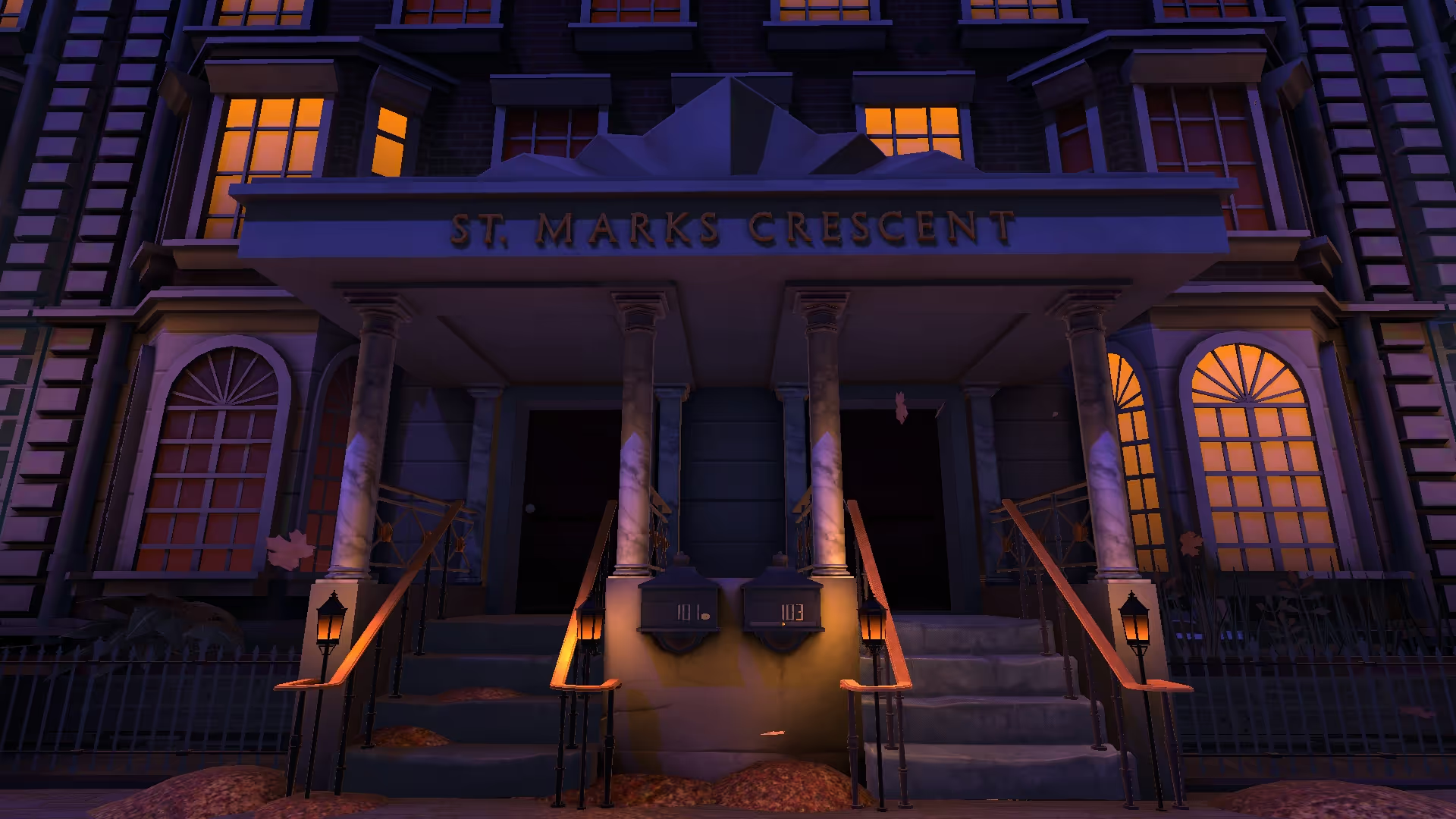
- Ada’s Study is a mobile escape game inspired by The Room series, blending tactile puzzles with a quiet, human story.
- Every interaction has an alibi in the world, meaning puzzles are never arbitrary, they always say something about Ada.
- Parallel puzzles reduce frustration and invite exploration, letting players follow their intuition instead of hitting dead ends.
- Ada’s Study sits alongside games like The Vault and The House of Da Vinci, with a shared love for physicality and atmosphere.
- If you enjoy reflective, story-driven puzzle games, this is a small but meaningful journey worth taking.
There is a particular kind of pleasure in a well-made puzzle game. Not the rush of speed or spectacle, but the quieter satisfaction of understanding how a space thinks. If you loved The Room, you probably recognise that feeling. The sense that every object is there for a reason, that your hands and your intuition are being gently guided rather than tested.
Ada’s Study grew from that same instinct. It is a small mobile escape game, designed to feel physical, reflective, and human. Instead of rushing you forward, it invites you to slow down, to explore, and to notice how story can live inside mechanics. What follows is not a review in the usual sense, but a closer look at how Ada’s Study came to be, what inspired it, and why we still believe that puzzles work best when they say something quietly meaningful.
A Quiet Room, Waiting for You
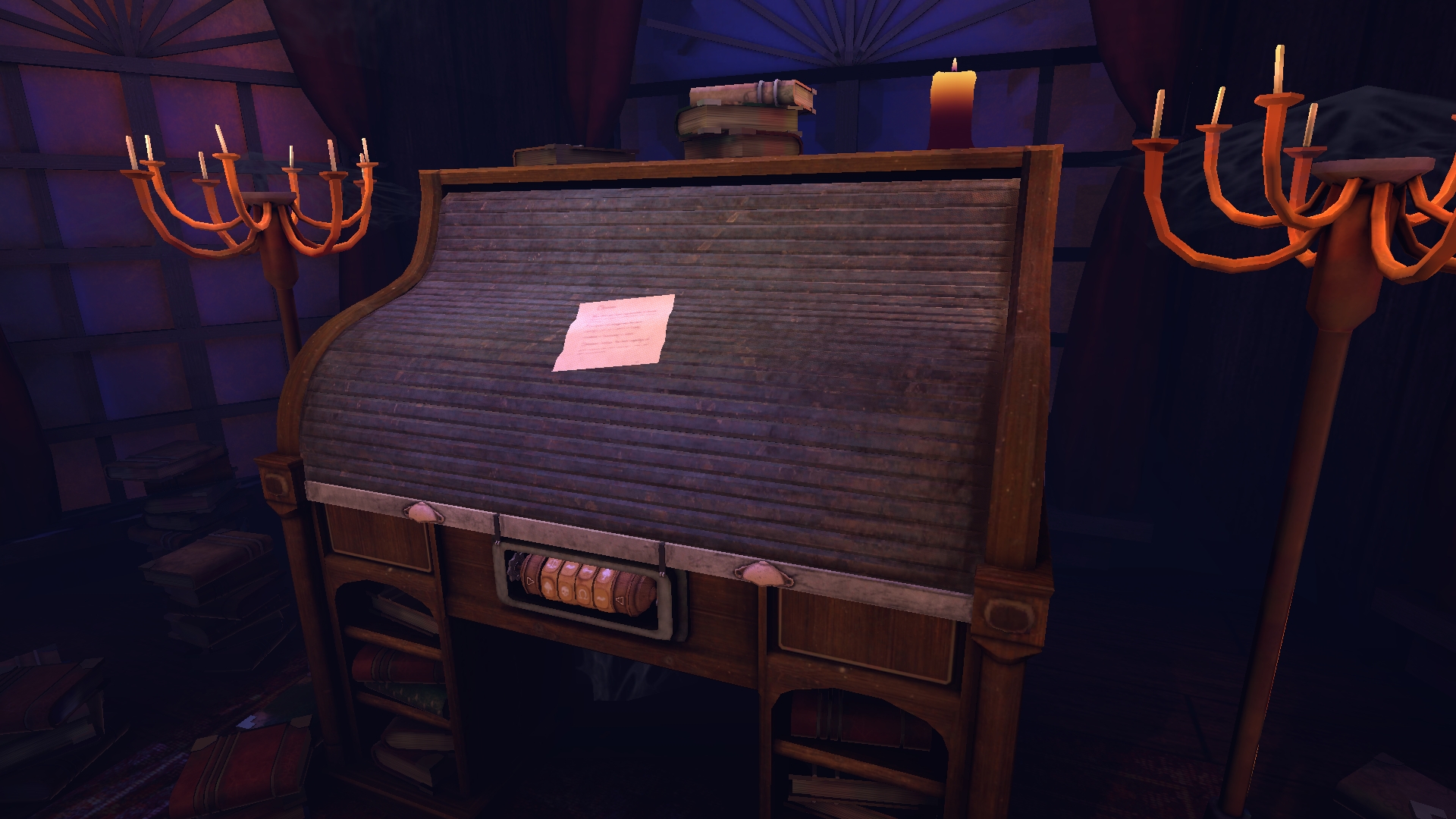
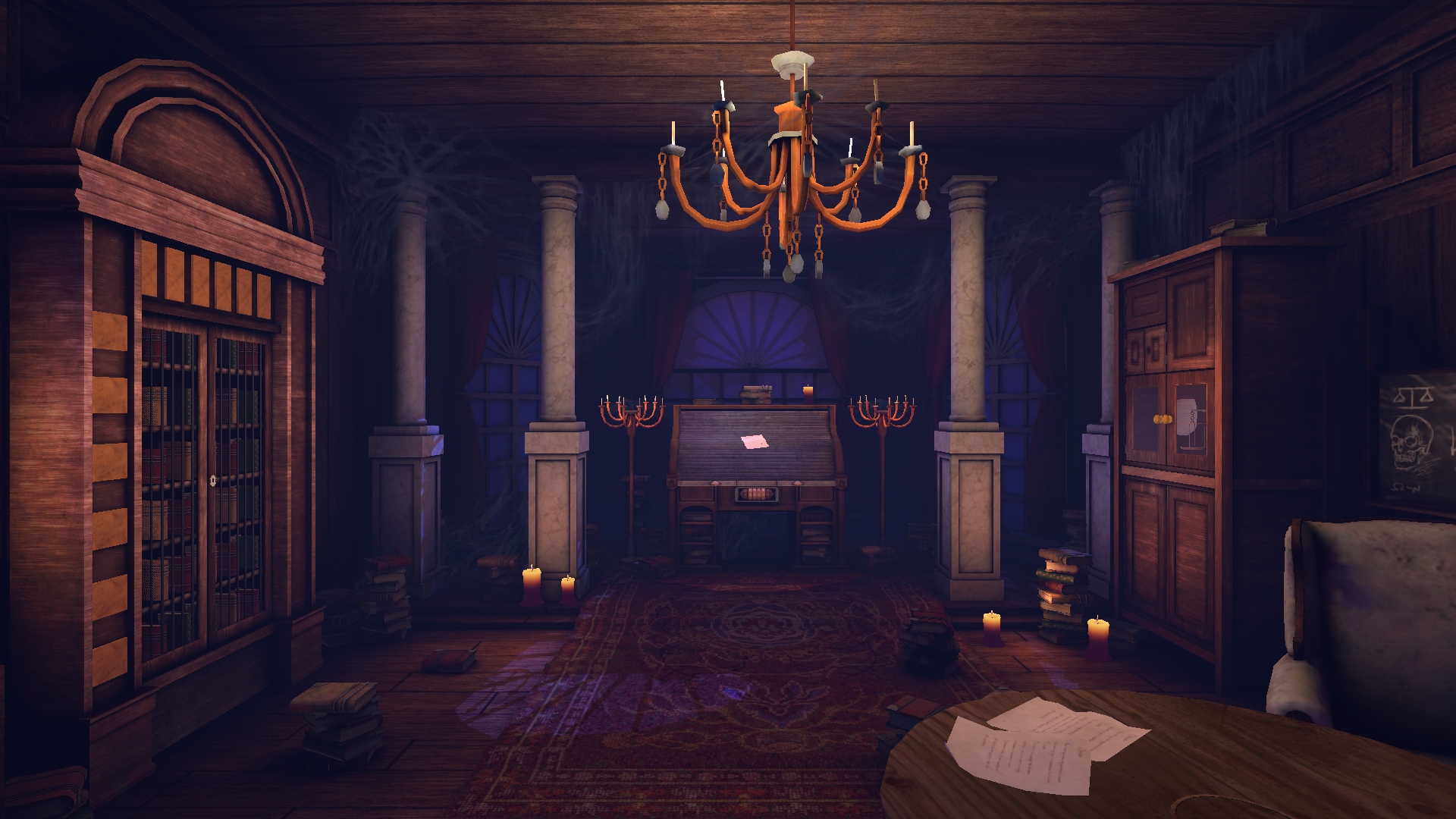
It usually starts with stillness. A desk. A few objects. The sense that someone has just stepped away, leaving their thoughts behind in physical form. That moment, when a room feels occupied even though it is empty, is where Ada’s Study begins.
We have always loved that feeling. It is the same one we chase when we build escape rooms in Amsterdam. The idea that a space can hold memory, intention, and unresolved questions, if you listen closely enough.
Ada’s Study is our mobile escape game. It fits in your pocket, and asks for something more valuable than money: your attention.
Why Fans of The Room Feel an Immediate Click
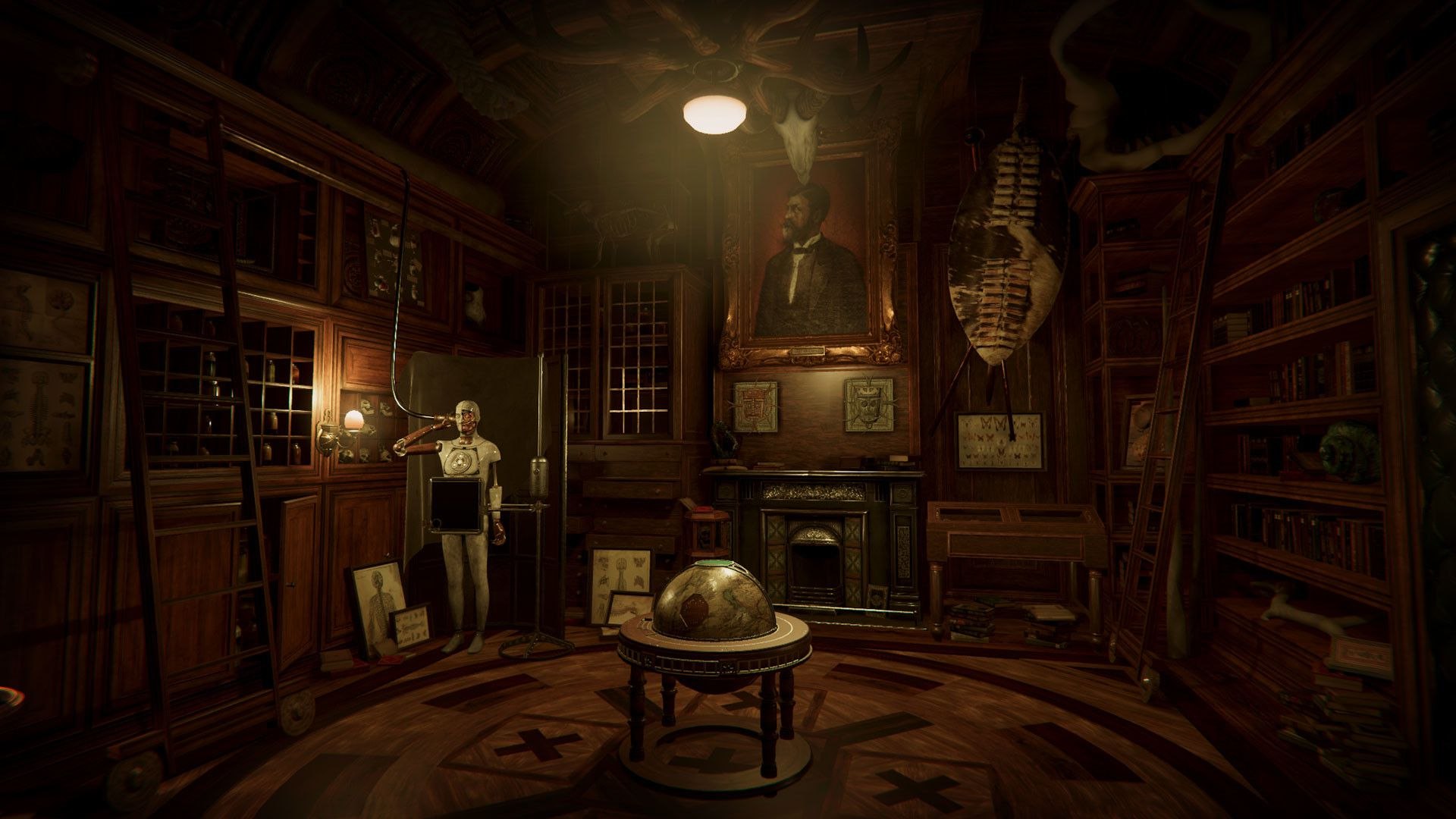
There is no hiding the lineage here. For the development of Ada’s Study, the team took a lot of inspiration from the style of The Room series. Those beautiful, tactile puzzle boxes. The slow reveal. The pleasure of turning, sliding, weighing, opening.
Leon van Oldenborgh, one of our game designers, challenged himself to make the puzzle interactions interesting, diverse and fresh, while a team of young 3D artists pushed themselves to make the graphics as engaging as possible.
Just in case you haven’t tried the VR game The Room, A Dark Matter, that one’s actually our favourite in the whole series. It’s super immersive, exciting, and it really makes you feel like you’re inside movies like The Da Vinci Code, Robert Downey Jr’s version of Sherlock Holmes, with a bit of Indiana Jones and The Fifth Element mixed in.
That sense of cinematic curiosity is very much alive in Ada’s Study, only distilled into something quieter and more intimate.
Letting a Room Tell You the Rules
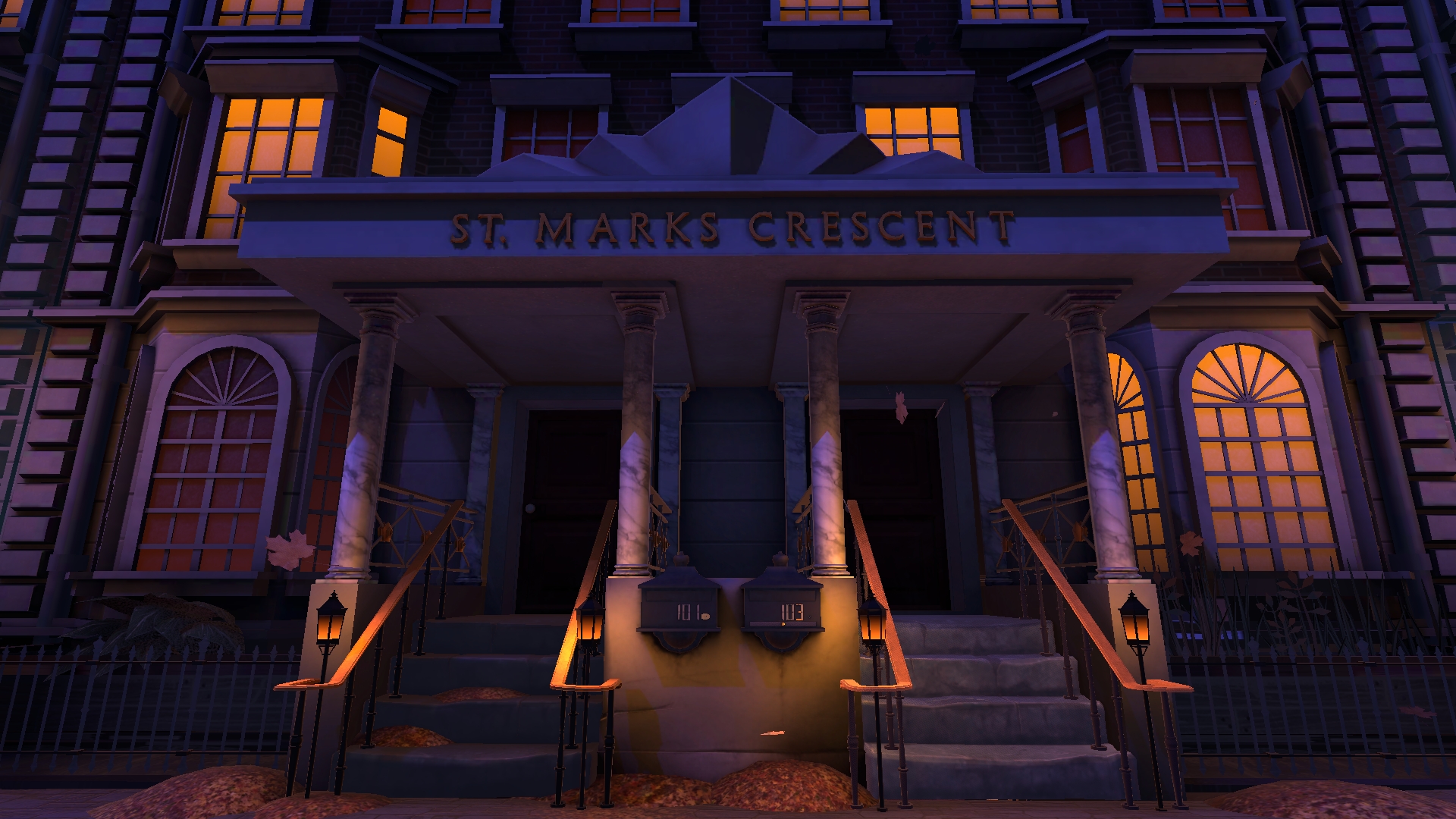
There is a funny thing that happens when you listen to a building. It starts to tell you the rules.
Leon and the team came to Ada’s Study not from other mobile games, but from escape rooms. Real ones. Physical ones. Spaces where objects exist for a reason and where nothing is accidental.
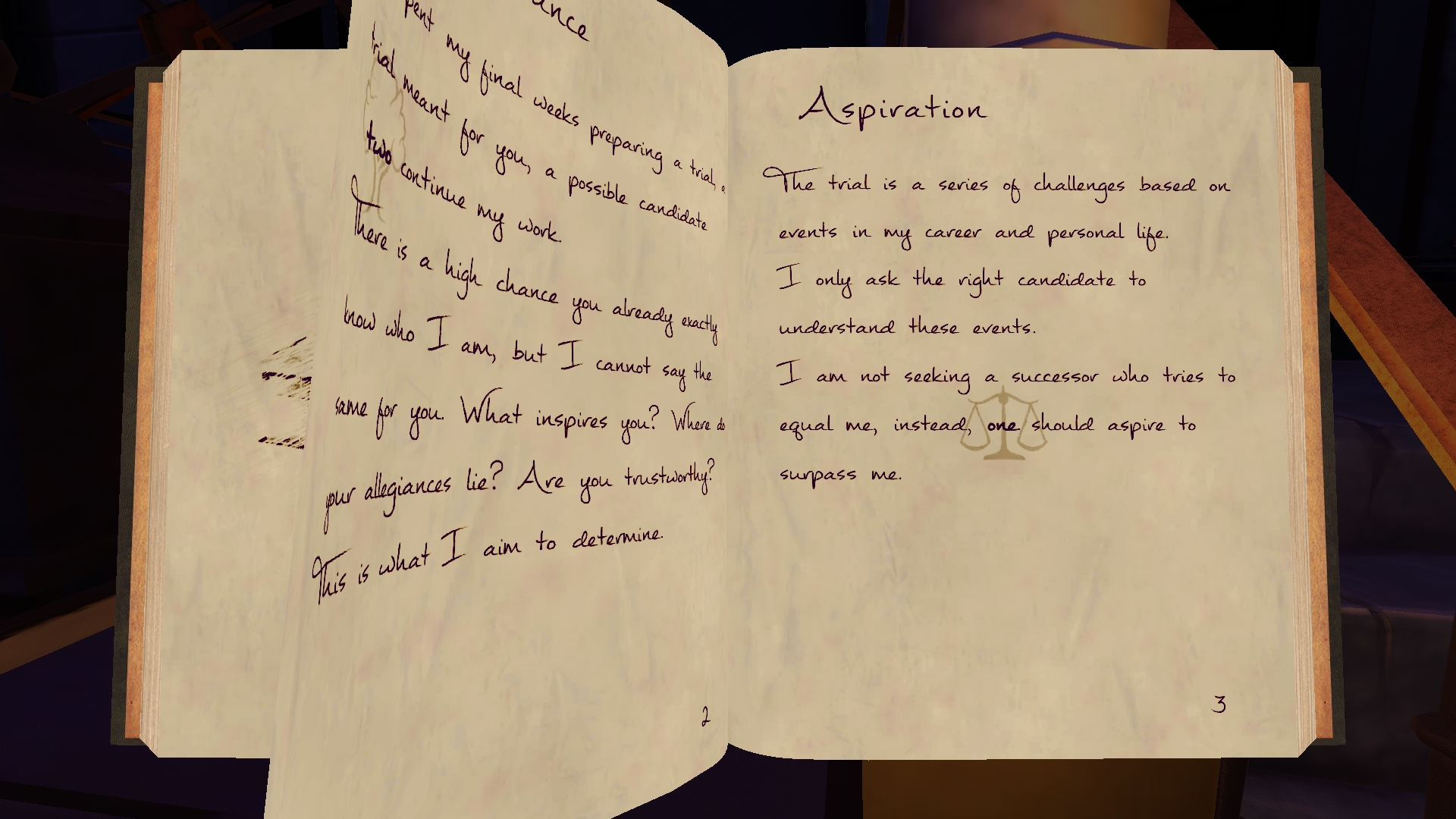
Early on, the team made a clear decision. Every action needed an alibi in the world. No puzzle for puzzle’s sake. If a player never reads a single note, they should still walk away with a feeling for who Ada was, what drove her, and how she weighed her life.
This is where Ada’s Study quietly differs from many puzzle games. The story is not handed to you between challenges. It is embedded inside them.
The Scales Puzzle and the Weight of Meaning
One of the clearest examples is the scales puzzle.
When you enter Ada’s Study, after a short introduction, the room opens up. Instead of a single linear path, you are invited into parallel puzzles. You can move between them, get stuck, step away, return with fresh eyes. It keeps frustration at bay and mirrors how we solve problems in real life.
The scales puzzle was one of the very first Leon had designed. It became a proof of concept for something Sherlocked cares deeply about. Can a puzzle explain a person?
The metaphor is simple and quietly powerful. We talk about weighing our priorities for a reason. By physically balancing objects, you begin to understand what Ada considered important. Her work. Her inner life. The constant act of introspection.
At one point in development, the story leaned darker, focusing on sacrifice and regret. Eventually, the team chose a different direction. Less tragic, more human. The puzzle stayed, but the meaning softened. That is part of the messy alchemy of making games. You learn what a story wants to be by trying, failing, and trying again.
Why Parallel Puzzles Matter
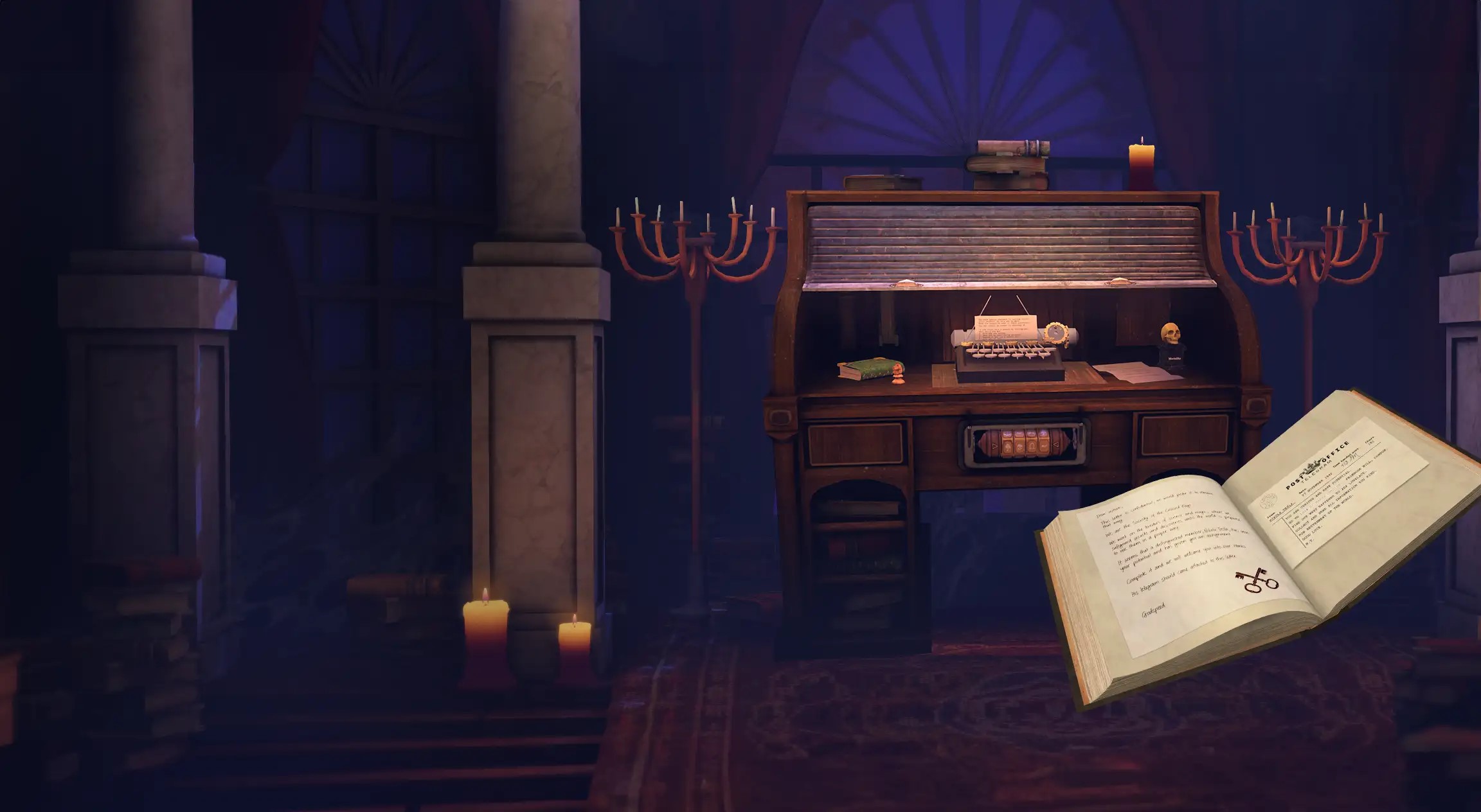
Parallel puzzles are common in escape rooms, mostly out of necessity. You want everyone in a group to have something to do.
In Ada’s Study, they serve a different purpose: freedom.
If one puzzle resists you, another invites you in. This rhythm keeps curiosity alive. It also allows puzzles to be more extensive, more layered, without becoming overwhelming.
The design went through countless iterations. Touchscreens are unforgiving. Fingers are clumsy. Players hesitate when faced with too many options. Small changes made a big difference. Adding a single starting clue. Allowing objects to be inspected. Introducing pairs of equal weight to create moments of clarity.
None of these decisions are visible on the surface. You only feel that things flow.
A Small Game in a Bigger Family
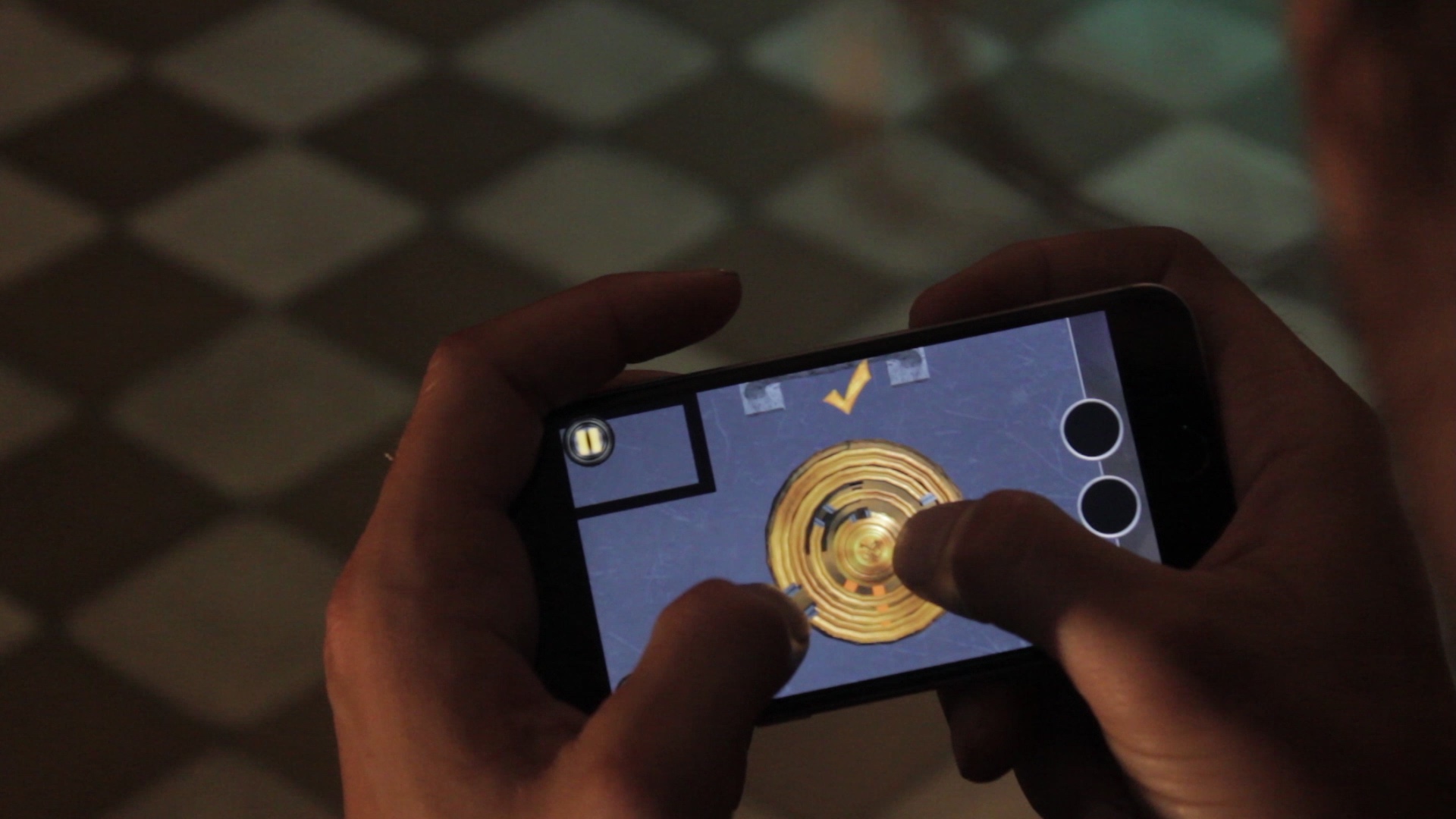
Ada’s Study is not alone.
Our mobile game The Vault is our little entrée dish, leading into our escape room of the same name in Amsterdam, our award-winning immersive break-in adventure The Vault. It is shorter, free, and meant as a first taste of our world.
We also admire the craft of others. The House of Da Vinci has long been a reference point for us. And when The House of Tesla was announced, we had two feelings. One was “damn, we’re working on an escape room exactly like this”. The second was “wow, they’re really doing an amazing job at this”.
They have been working on that game for years, and their insights about the process is a gift to anyone who loves thoughtful game design. We still believe Nikola Tesla deserves a physical escape room too. He was a larger-than-life legend and sage, both inspiring and tragic.
And then there is Rusty Lake. A very different type of game, made by our dear friends and fellow Amsterdam game studio, Rusty Lake. Darker, stranger, more surreal. Proof that there are many ways to make meaning through play.
What We Hope You Feel When You Close the Game
Ada’s Study is short. You can finish it in one sitting. But like a good room, it lingers.
Our hope is not that you remember every puzzle, but that you remember the feeling of being gently guided by a space that made sense. A study that revealed a person through objects. A game that trusted your intuition.
That, to us, is the quiet magic. Not spectacle, but clarity. Not noise, but intention. A small room, carefully built, waiting patiently for you to step inside. It’s waiting for you to try it out.
Links:
Table of Contents