.svg)
Book Now
There is a familiar feeling that creeps in before most team outings. A mix of polite optimism and quiet dread. Will this be another activity where everyone smiles, participates just enough, and then goes back to their desks unchanged?
Amsterdam, thankfully, does not make you settle for that. This city rewards curiosity, play, and a willingness to get your hands a little messy. Choose the right setting and something subtle shifts: conversations loosen, intuition kicks in, and teams start to see each other with fresh clarity.
Before diving into the full story, here’s a clear snapshot of the key ideas...
Quick Summary
- Small groups thrive on shared challenges, especially activities that require communication and trust.
- Physical and tactile experiences create stronger memories than passive outings.
- Creative and playful settings lower barriers and invite quieter voices into the room.
- Amsterdam offers variety in a compact space, making it ideal for short, meaningful outings.
- Good food matters, as meals often become where reflection and bonding truly land.
Why Team Outings Matter More Than We Admit
There's a funny thing that happens when you take people out of their routines. The scripts fall away, and without meeting rooms and job titles, teams start to interact as humans first.
Good outings don't force bonding, they create conditions for serendipity. Someone surprises you. Grit shows up where you didn't expect it. Collaboration stops being a word on a slide and becomes something you can actually feel.
Not every activity works for every group, and that's a lesson we learned the hard way. Some teams run on pressure, others go quiet under it. What you're really after is connection, and those two things are not the same.
10 Team Outing Ideas in Amsterdam for Small Groups
1. Sherlocked Escape Rooms
Start with tension, end with laughter. That is usually how it goes.
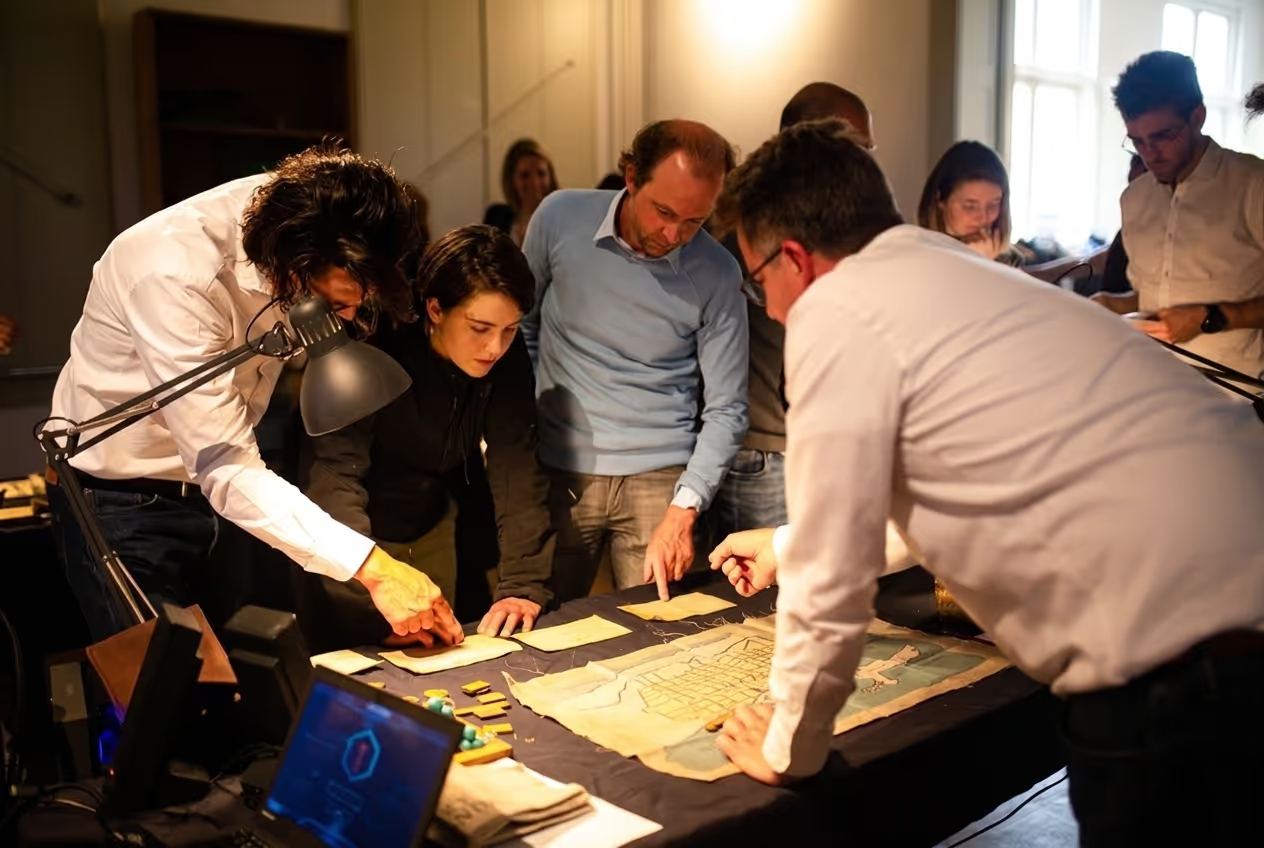
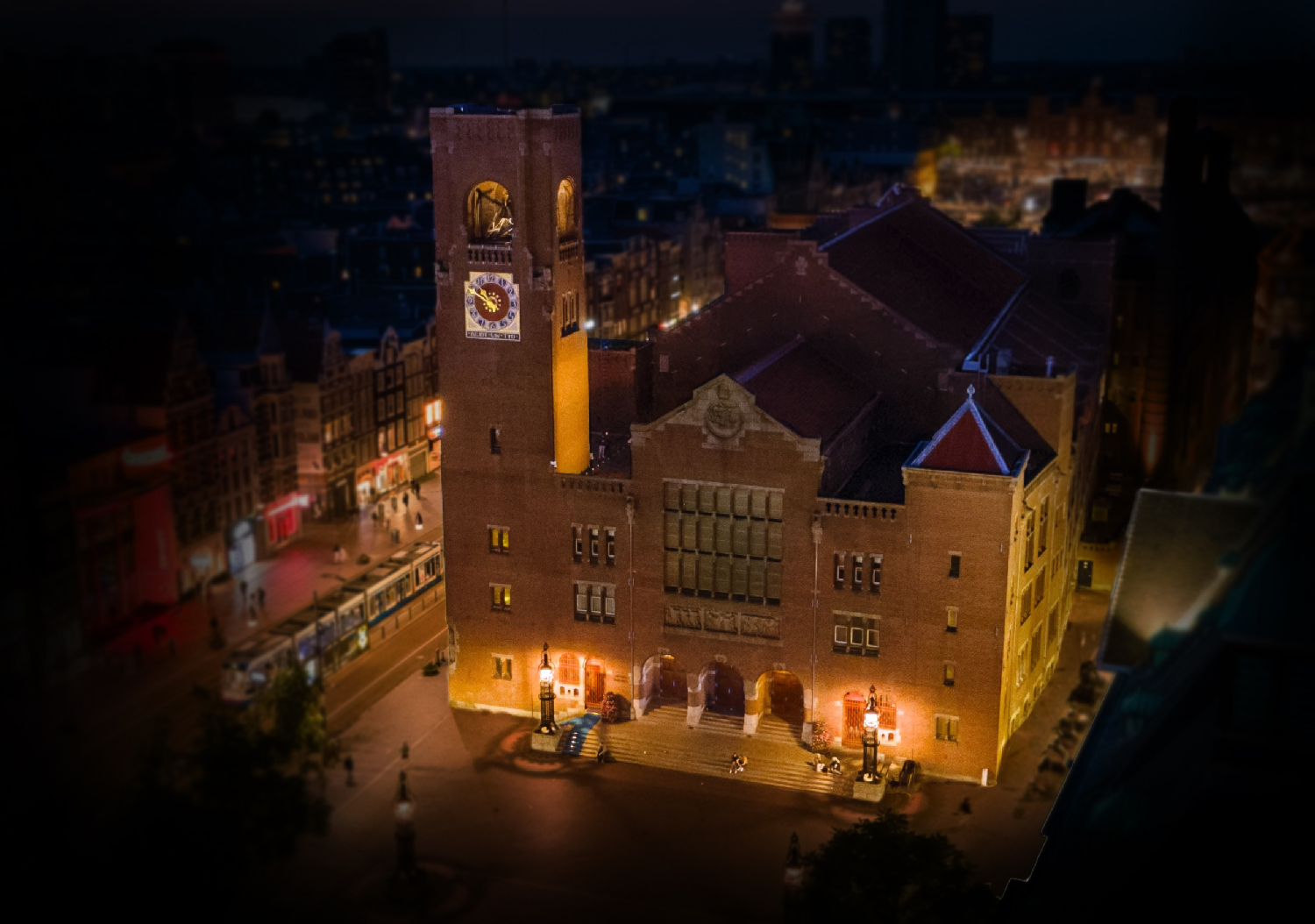
At Sherlocked, teams step into richly layered stories inside historic Amsterdam locations. In the Beurs van Berlage, up to 19 people can split across three rooms and compare notes afterward. For groups of 25+ people, we offer our large group team-building game.
Escape rooms ask something honest from a team. Who takes the lead? Who listens? Who notices the small details? It is messy, occasionally frustrating, and deeply revealing in the best way.
2. Outdoor Escape Treasure Hunts
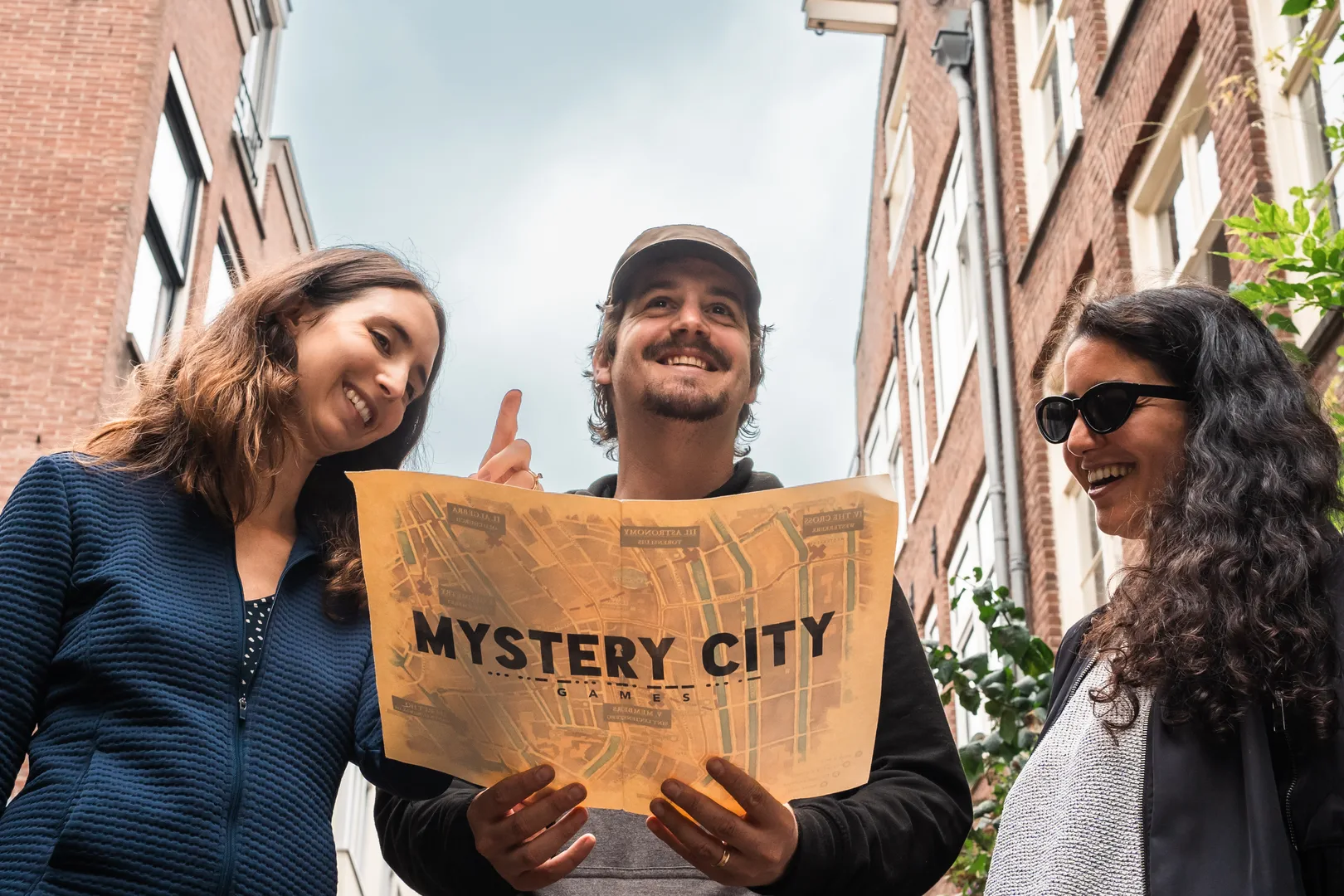
Together with Mystery City, we run Secret Sender as an outdoor team-building activity through central Amsterdam. Teams follow treasure maps, open real locks, and crack historical puzzles across a 3km route through the Golden Age city. The streets do the work. Those shared "we cracked it" moments have a way of staying with people and of making a familiar city feel newly discovered.
3. Historical Amsterdam Tours: Private Storytelling Walks

These walks move at the pace of attention. Guided by local historians, teams slip through hidden alleys, canal houses, and old vaults while listening to stories that rarely make it into guidebooks.
Slowing down together matters. When everyone hears the same living story at the same time, curiosity becomes communal and connection follows naturally.
4. 360 Amsterdam Tours: “Untold Story” Walking Tours

Some stories deserve space and care. Tours like “The Untold Story of Amsterdam’s Colonial Past” explore both the beauty and the uncomfortable chapters of the city’s history through thoughtful narrative.
Reflecting together on these layers opens deeper conversations. Empathy grows. Teams leave feeling like caretakers of the city's story rather than visitors passing through.
5. Amsterdam Experiences: Private Local‑Led City Tours

These private, local-led walks are shaped around the people walking them. Routes wind through canals, secret courtyards, and off-the-beaten-path corners, adapting as the group goes.
Co-creating the pace and focus gives everyone a voice. Those “only locals know this” moments quietly strengthen a sense of shared identity.
6. Amsterdam Storytelling: Corporate Storytelling Workshops

In these workshops, teams work with narrative tools like the Hero’s Journey to shape personal and collective stories in an intimate setting.
Telling real stories, without props or tech, builds trust and vulnerability. The room often leaves with the feeling that the team is on a shared quest rather than a shared schedule.
7. Act Attack Amsterdam: Improv & Acting for Business

Improv and acting games invite people just outside their comfort zone, using wordplay, movement, and group storytelling grounded in everyday reality.
Teams learn to listen deeply, support each other’s ideas, and respond in the moment. Psychological safety grows, and creativity follows close behind.
8. The Craft Club: Creative Team Workshops
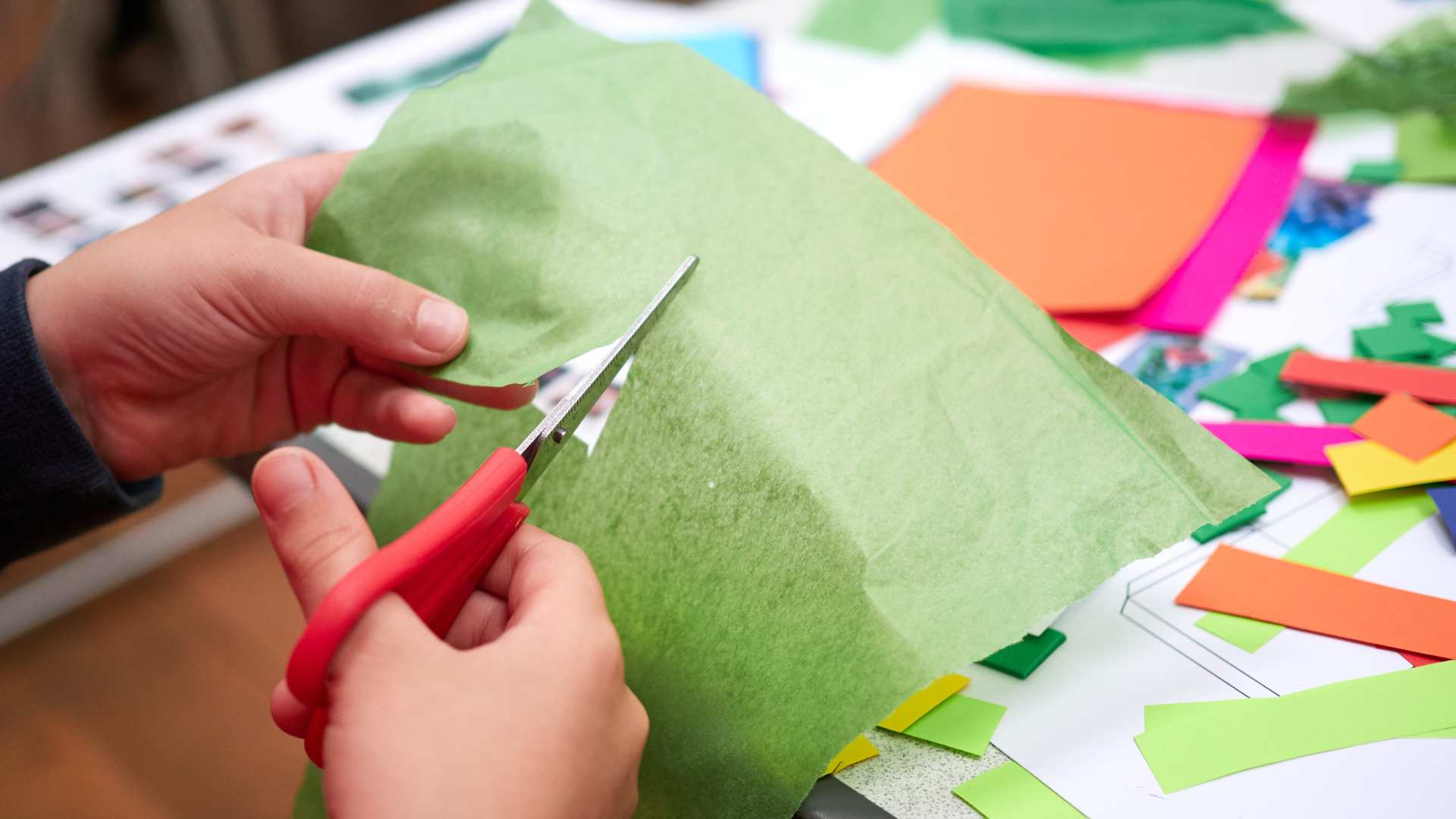
Fully analog and refreshingly slow, these workshops focus on embroidery, punch needle, DIY decor, and other tactile crafts, with all materials provided.
Making something side by side lowers barriers. Conversation flows more easily, and everyone leaves with a physical reminder of time well spent together.
9. Amsterdam House of Arts & Crafts: Artistic Team Sessions

In an inspiring creative house, teams paint, sculpt, and design under the guidance of artist-coaches who value process over polish.
Co-creation reveals different talents and encourages appreciation for each person’s way of contributing, especially the quieter ones.
It is a modern way to explore teamwork under unfamiliar conditions.
10. Clay & Sip: Rembrandt van Wine

Clay & Sip keeps things light. Over a couple of hours, teams shape and paint their own pieces while enjoying drinks and music.
Hands get dirty. Lopsided creations spark laughter. Revealing the finished pieces brings a shared sense of ease and connection, no screens required.
Where to Eat Together After

Mediamatic / TestTafel
There is a playful seriousness to eating at Mediamatic. The menu grows out of aquaponic gardens and in-house experiments, resulting in a fully plant-based, seasonal dinner shaped by curiosity and care.
Teams leave with more than full stomachs. They leave with ideas. Sustainability, circular thinking, and experimentation become natural talking points, especially after a day spent solving puzzles and questioning assumptions together.
De Kas
De Kas invites you to slow down and look at where things begin. Set inside a greenhouse with its own organic garden, the kitchen builds a weekly menu around what is growing right now.
The experience turns dinner into a narrative about origin, craftsmanship, and patience. For teams, it mirrors the care and detail of immersive play, reminding everyone that the best outcomes often start with good soil and close attention.
Belly of the Beast
Belly of the Beast is a cocktail bar on the Singel with a bit more going on than most. The space unfolds as you go deeper, past the main bar into a hidden room called The Pearl, where groups of 6 to 12 can book a cocktail workshop led by one of their bartenders.
The drinks are creative, the bites are good, and the atmosphere does the rest. A solid place to land after a day that had some weight to it.
Restaurant Bellezza
Dinner at Bellezza feels less like a reservation and more like stepping into a story. Each course arrives with its own colour, mood, and quiet logic, unfolding across multiple themed spaces wrapped in video art.
For teams, this creates a shared sense of surprise and awe. Conversation drifts naturally toward meaning, symbolism, and interpretation, beyond whether something tastes good. It is a gentle continuation of immersion, where the table becomes part of the experience.
What These Experiences Really Give a Team
The biggest benefit is not productivity, even if that improves later.
Unique team outings break routines. They create space for different strengths to surface. Communication becomes more human. Unity grows quietly, through shared effort rather than forced fun.
If you are curious about how immersive play can support team growth, especially through escape rooms, Sherlocked is always happy to explore that with you. When teams leave our rooms, they rarely talk about puzzles first. They talk about each other.
And that is usually the point.
Table of Contents